One of the most common questions expectant mothers ask us is whether it is safe to exercise during pregnancy. For most women with a healthy, uncomplicated pregnancy, the answer is reassuring: regular, moderate exercise is not only safe, it is genuinely good for you and your baby. It can ease back and pelvic pain, lift your mood, improve sleep and energy, and help prepare your body for birth and recovery.
That said, every pregnancy is different. The guidance below is general and educational. Always check with your doctor or obstetrician before starting or continuing any exercise, as they know your individual situation best.
Why Exercise Helps in Pregnancy
Staying active through pregnancy brings a long list of benefits. It helps manage the back and pelvic pain that many women experience as the body changes and the bump grows. It supports better mood and sleep, keeps energy up, and helps maintain healthy strength and stamina for labour and the demands of early motherhood. Gentle activity also aids circulation and can reduce swelling and stiffness.
Widely used guidance from obstetric bodies suggests aiming for around 150 minutes of moderate activity per week in a healthy, uncomplicated pregnancy. Treat that as a general target rather than a rule. What matters most is regular, comfortable movement tailored to how you feel, which is exactly what personalised guidance provides.
Safe Activities for Most Pregnancies
- Walking, one of the easiest and safest options at any stage.
- Swimming and water-based exercise, which support your weight and ease joint load.
- Stationary cycling, a low fall-risk way to keep the heart and legs working.
- Prenatal strength exercises, guided and gentle, to maintain muscle support.
- Pelvic floor exercises, which help with bladder control and recovery after birth.
- Gentle stretching, to ease tension and keep you comfortable.
A good rule of thumb is the talk test: you should be able to hold a conversation while you move. If you are too breathless to chat, ease back a little.
What to Avoid
- Contact sports and anything with a risk of being hit or knocked.
- Activities with a high fall risk, such as skiing, horse riding or certain cycling on rough ground.
- Lying flat on your back for long periods after the first trimester, which can affect blood flow.
- Exercising to exhaustion or overheating, including hot, humid conditions and hot yoga.
- Heavy straining or holding your breath during effort.
Pregnancy is not the time to chase personal bests. It is the time to move gently, regularly and in tune with your body.
Adjusting as Your Pregnancy Progresses
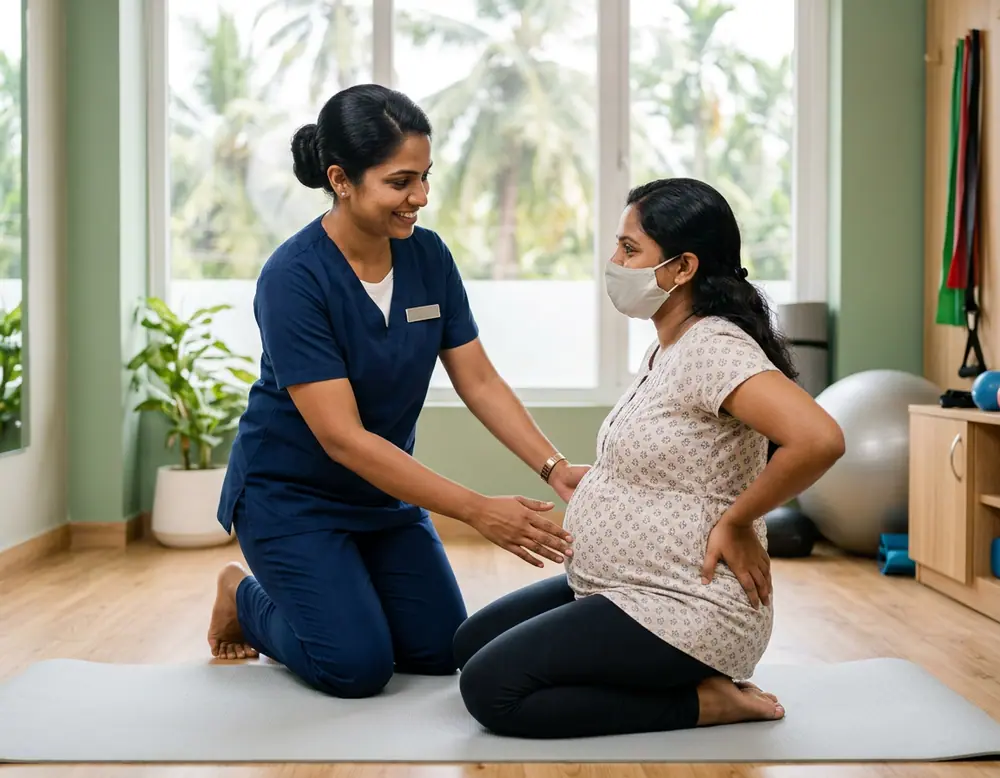
Your body changes a great deal across the three trimesters, and your routine should change with it. As the bump grows, balance shifts and joints become more mobile, so movements that felt easy early on may need modifying later. This is where women's health physiotherapy is so valuable: a physiotherapist can adapt your programme trimester by trimester, keep your pelvic floor and core supported, and address any aches before they become bigger problems. You can read more about the care we offer through pregnancy and beyond on our antenatal and postnatal care page.
Warning Signs: Stop and Seek Advice
Stop exercising and contact your doctor or obstetrician promptly if you notice any of the following:
- Vaginal bleeding or fluid leakage
- Severe or persistent abdominal or pelvic pain
- Dizziness, faintness or a headache that will not settle
- Regular painful contractions
- Chest pain, breathlessness before exertion, or calf pain and swelling
These are not reasons to be fearful, simply signs that your body needs to be checked. When in doubt, always pause and ask.
Personalised, Private Guidance in Kakkanad
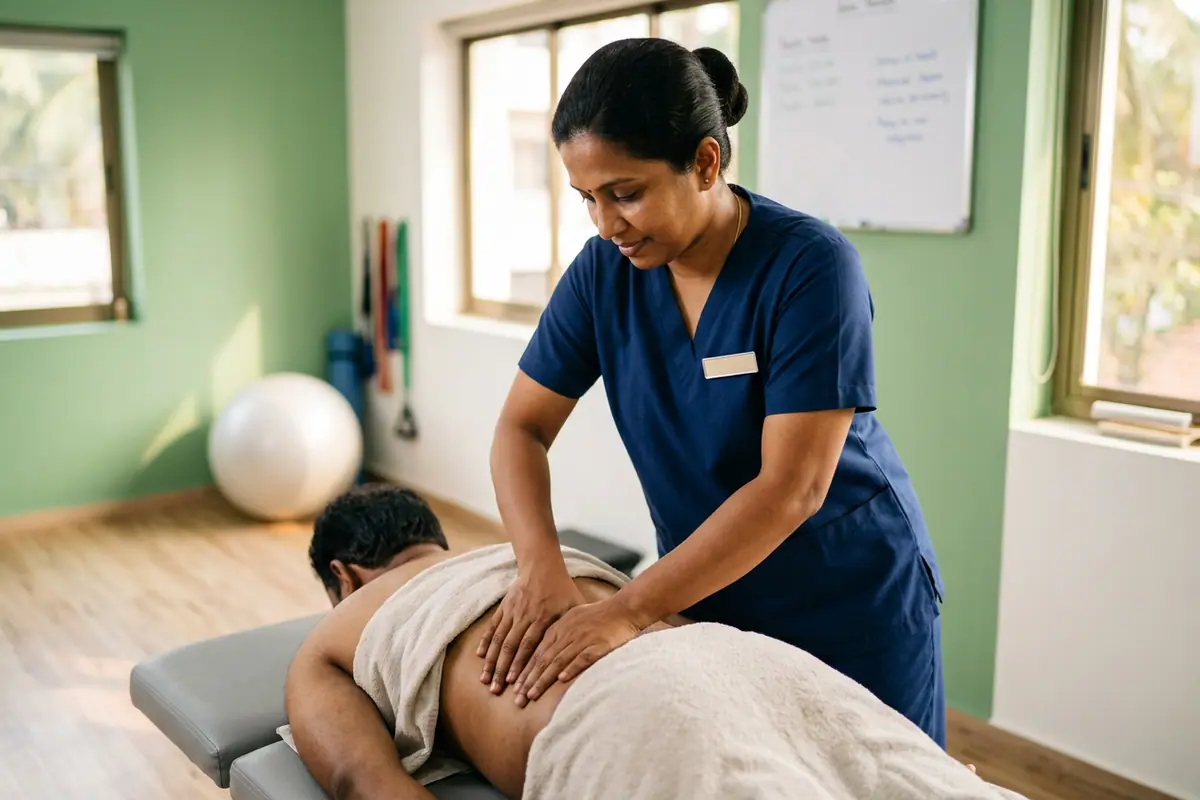
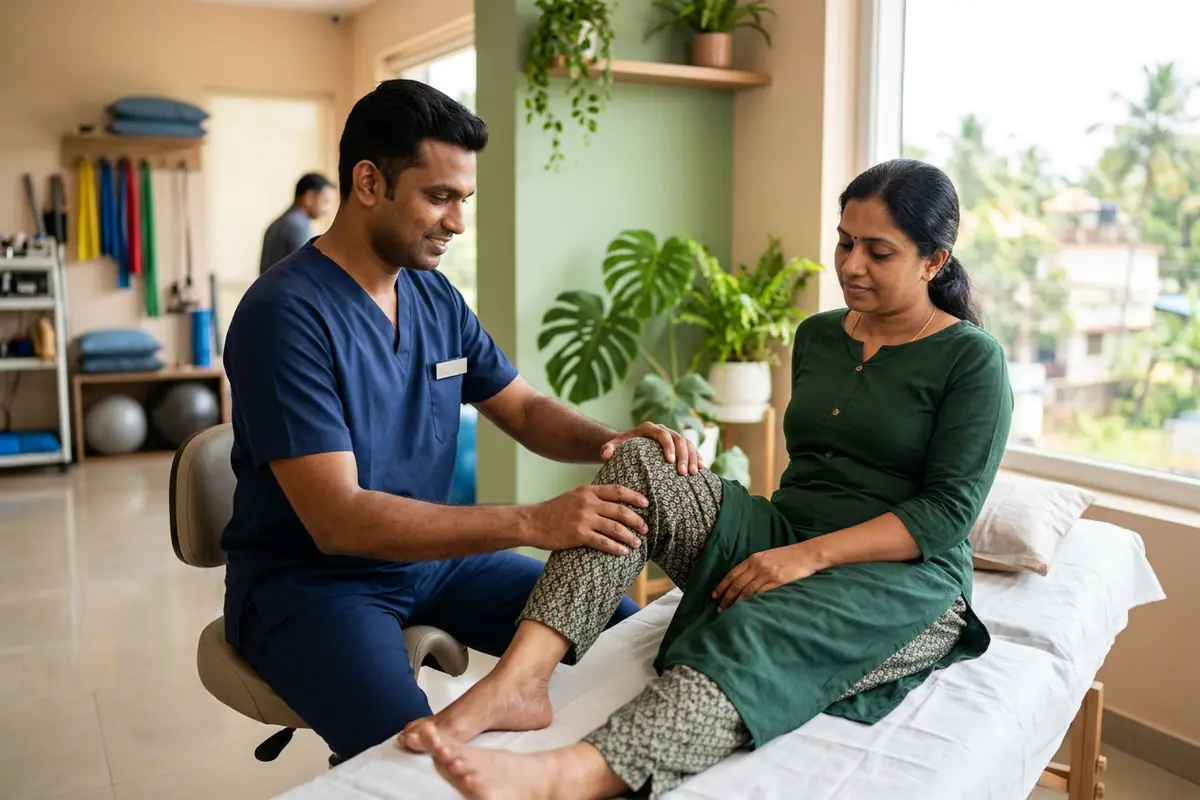
At Proud Physio & Wellness, Dr. Noora Ameen TA (PT), a female physiotherapist, offers private, one-to-one antenatal guidance in a comfortable and supportive setting. Sessions are tailored to your stage, your symptoms and your obstetrician's advice, so you can stay active with confidence. Our Kakkanad clinic is open every day from 8:00 AM to 10:00 PM, and home visits are available across Kochi.
Frequently Asked Questions
Is it safe to start exercising if I did not exercise before pregnancy?
Often yes, but start gently and build up slowly, and always check with your doctor or obstetrician first. A physiotherapist can guide you into safe, beginner-friendly activity that suits your stage of pregnancy.
How much exercise should I aim for during pregnancy?
Widely used general guidance suggests around 150 minutes of moderate activity per week in a healthy, uncomplicated pregnancy. This is a general target, not a rule, and your own plan should be personalised with your treating doctor's input.
Which exercises should I avoid?
Avoid contact sports, activities with a high fall risk, lying flat on your back for long periods after the first trimester, and exercising to exhaustion or overheating. When unsure about a specific activity, ask your doctor or physiotherapist.
When should I stop and seek advice?
Stop and contact your doctor or obstetrician if you have bleeding, fluid leakage, severe pain, dizziness or regular contractions. These signs need prompt checking, so never push through them.
Stay Active and Confident Through Your Pregnancy
Book private antenatal guidance with Dr. Noora, a female physiotherapist, at Proud Physio & Wellness. Always in step with your obstetrician's advice.
Call +91 80894 14419 Book Online