The name is misleading. Tennis elbow affects far more people who have never picked up a racket than those who have. Painters, cooks, IT professionals, new parents, gardeners and gym-goers all develop it. In fact, most of the patients we see for tennis elbow at our clinic have never played a competitive match in their lives. If you feel a nagging pain on the outer side of your elbow when you grip, lift or twist, this article is for you.
The good news is that tennis elbow is highly treatable. With an accurate diagnosis and a properly structured programme, the vast majority of people return to a strong, pain-free grip and get back to the work and sport they enjoy. The key is understanding why it happens and, just as importantly, why simply resting rarely fixes it for good.
What Is Tennis Elbow
Tennis elbow, known medically as lateral epicondylitis, is an overuse injury of the tendons that attach your forearm muscles to the bony bump on the outer elbow. Repeated gripping and wrist movements create tiny strains in these tendons. Over time, the tendon struggles to repair itself as fast as it is being loaded, and it becomes irritated, weakened and painful. It is less an inflammation problem and more a tendon that has lost some of its capacity to cope with demand, which is exactly why the right kind of exercise, rather than pure rest, is the cornerstone of recovery.
Because it is driven by repetition rather than a single dramatic injury, tennis elbow often creeps up gradually. Many patients cannot point to a moment when it started, only that everyday tasks slowly became uncomfortable. The activities that most commonly trigger it include long hours at a keyboard and mouse, manual trades such as painting and plastering, repetitive kitchen work, carrying a young child on one arm, and gym exercises performed with poor technique or too much load too soon.
Common Symptoms
- Pain on the outer elbow that may travel down the forearm
- A weak or painful grip, for example when holding a cup, turning a key or shaking hands
- Discomfort when lifting, twisting or straightening the wrist
- Stiffness in the elbow, often worse in the morning or after a period of rest
- Tenderness when you press on the outer edge of the elbow
Why Rest Alone Is Not Enough
Many people simply wait for tennis elbow to settle. While rest can ease symptoms for a while, the pain often returns the moment normal activity resumes, because the underlying tendon weakness was never addressed. A tendon that is not loaded gradually loses even more of its strength, so complete rest can leave you more vulnerable when you go back to your usual tasks. This is why structured physiotherapy, which rebuilds the tendon rather than just calming it down, gives far better long-term results.
Tennis elbow is not cured by avoiding your arm. It is cured by carefully rebuilding the tendon's ability to handle load again.
How Physiotherapy Treats Tennis Elbow
Accurate assessment
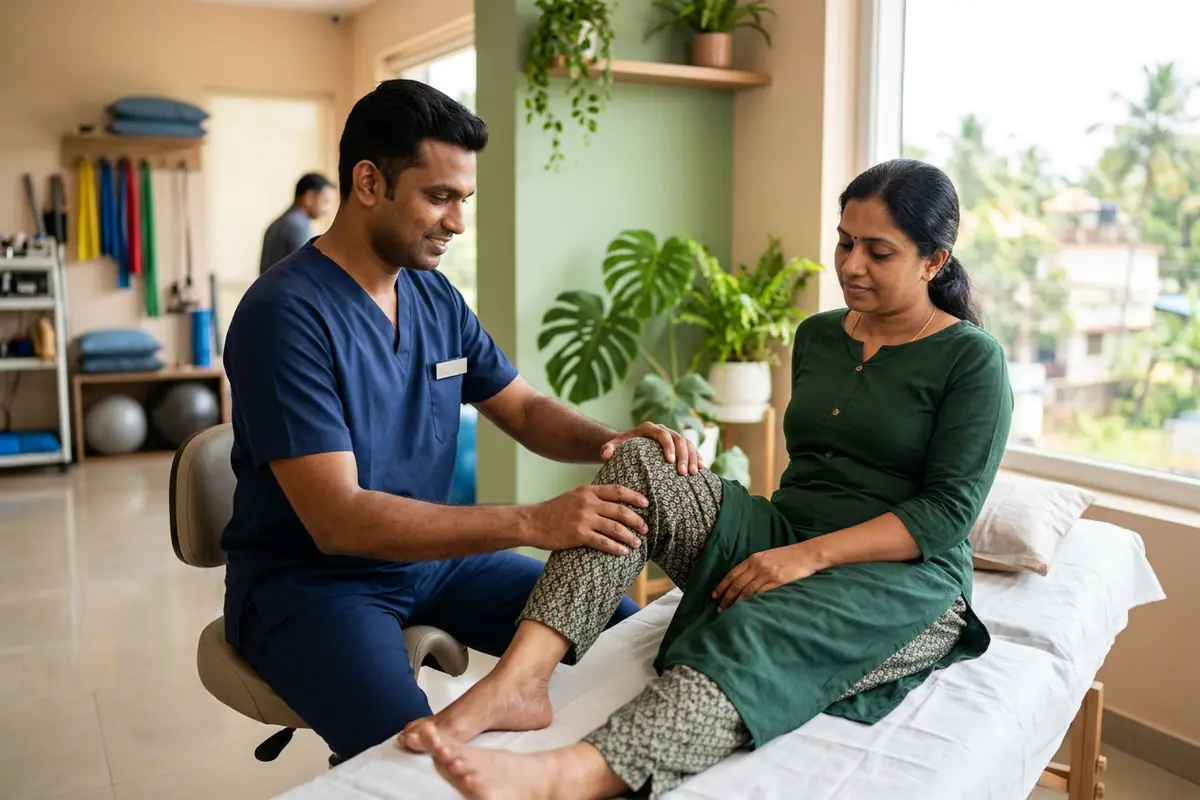
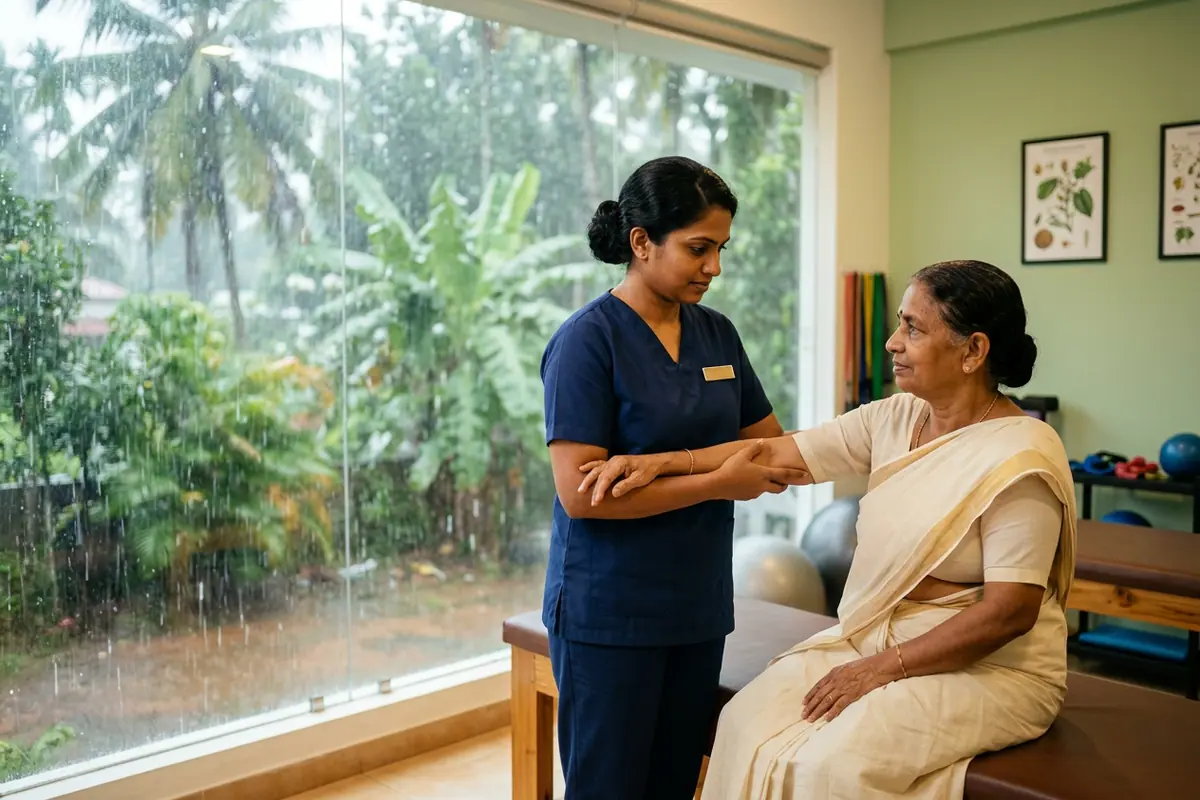
We first confirm the diagnosis and rule out other causes of elbow pain, then identify the specific activities and movement patterns driving your symptoms, whether that is your keyboard set-up, a repetitive task at work or your technique in the gym.
Pain relief
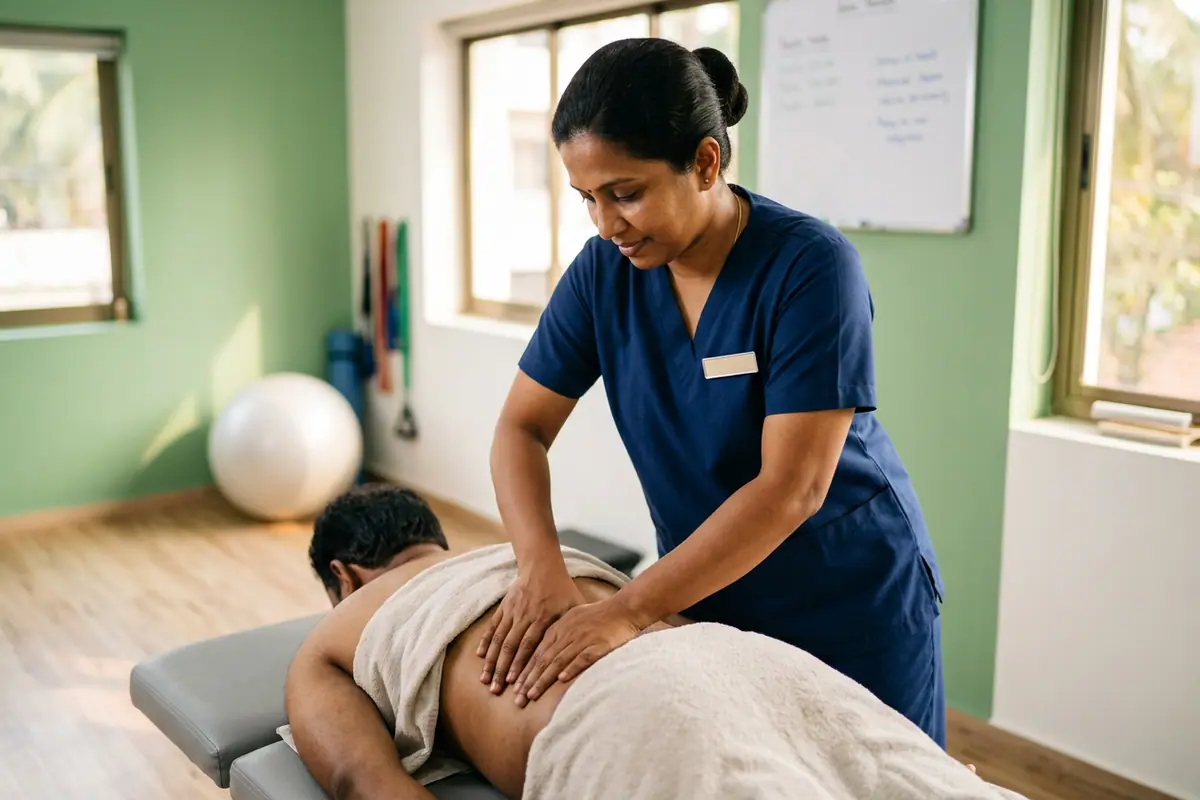
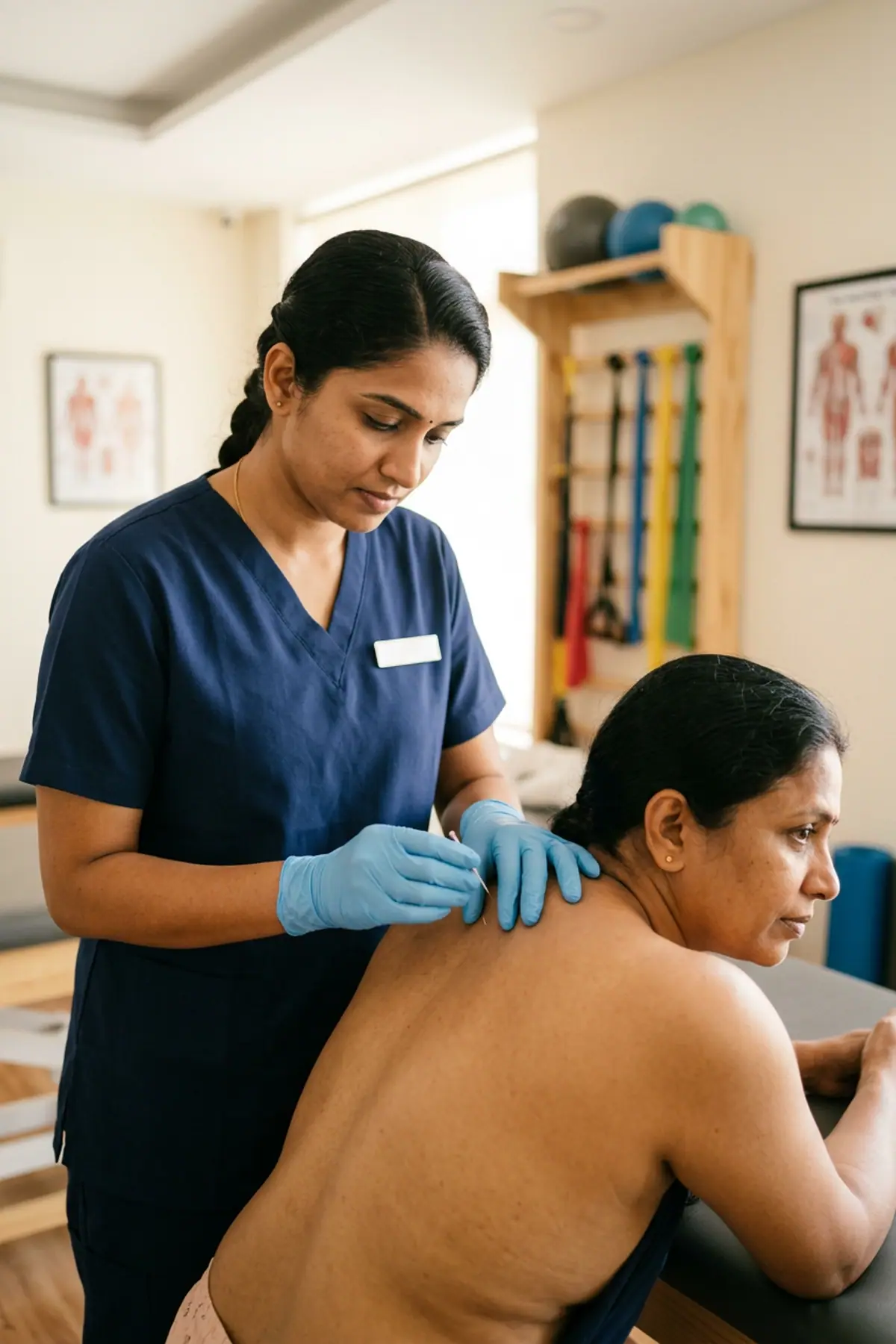
Hands-on therapy, soft tissue work and short-term activity modification calm the irritated tendon and reduce day-to-day discomfort, giving you a comfortable base to begin strengthening from.
Progressive loading
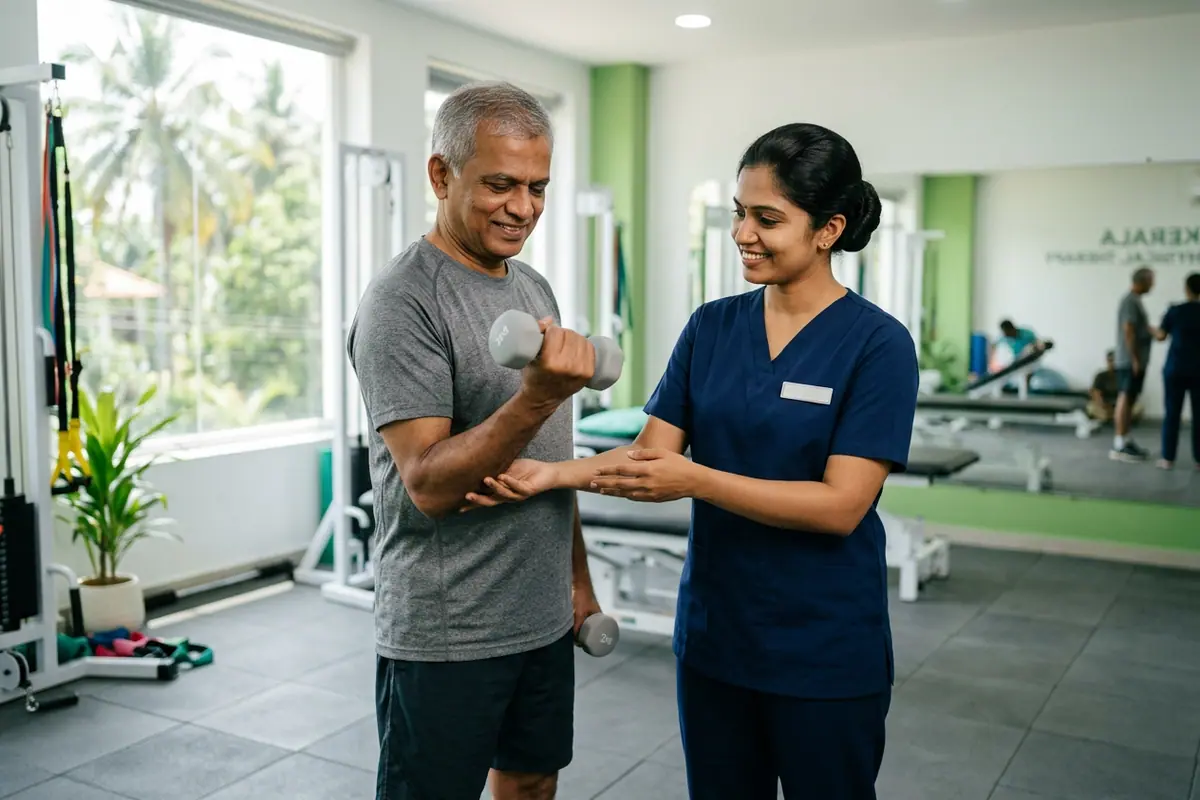
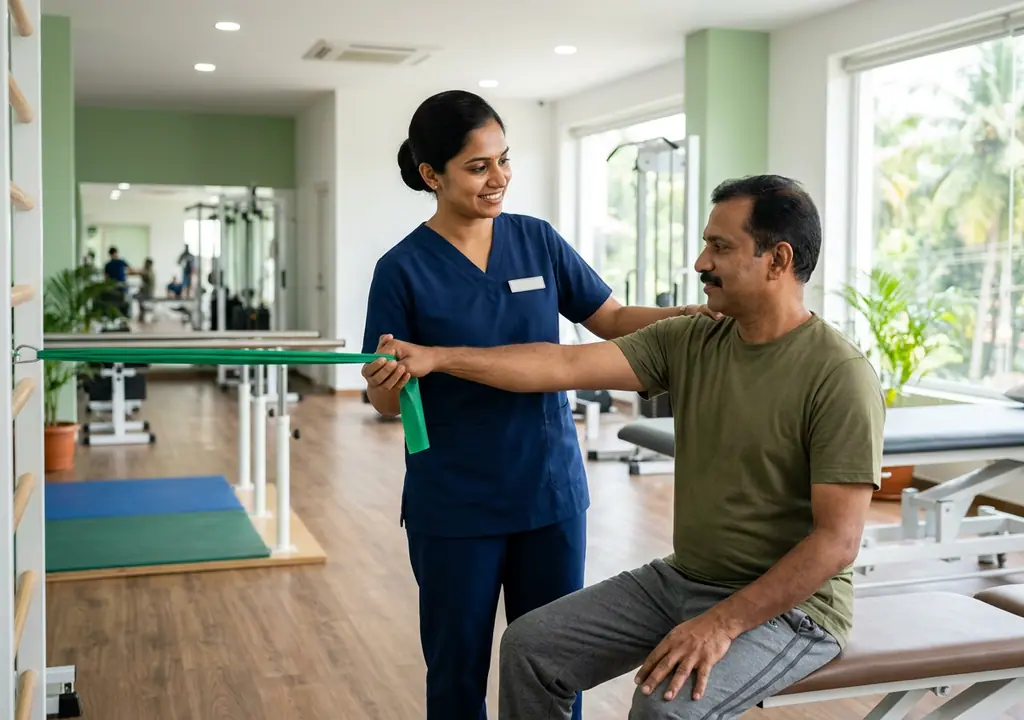
The most important part of recovery is carefully strengthening the tendon with graded exercises. Starting gently and building up over the weeks, this rebuilds the tendon's capacity so the elbow can handle your work and sport again without flaring up.
Prevention
We review your technique, ergonomics and equipment, from your grip size to your desk posture, so the problem does not simply come back once you feel better.
What Recovery Looks Like
| Phase | Focus | What to expect |
|---|---|---|
| Weeks 1-2 | Settle the pain | Assessment, hands-on therapy, activity advice, first gentle exercises |
| Weeks 3-6 | Build strength | Progressive tendon loading, grip work, gradual return to tasks |
| Weeks 6-12 | Restore capacity | Heavier loading, sport and work-specific movements, technique review |
| Ongoing | Prevent recurrence | Maintenance exercises, ergonomic and equipment adjustments |
Get Back to What You Love
Whether you are an athlete chasing peak performance or someone who simply wants to lift a kettle without wincing, our sports and musculoskeletal physiotherapy in Kakkanad and Kochi is designed to get you there. Because tennis elbow so often sits alongside other overuse and posture-related aches, it can be worth reading our guides on back pain in desk workers and knee pain physiotherapy too. Home care visits are also available if travelling is difficult.
Frequently Asked Questions
How long does tennis elbow take to heal?
It varies with how long you have had it and how much you load the arm, but many people feel meaningfully better within six to twelve weeks of a structured programme. Longer-standing cases can take a little more time, which is why starting the right treatment early helps.
Should I completely stop using my arm?
No. We usually modify rather than stop activity. Complete rest tends to weaken the tendon further, so the aim is to keep the arm moving within comfortable limits while we gradually rebuild its strength.
Do I need a scan or an injection?
Most cases are diagnosed clinically and respond well to physiotherapy without scans or injections. If your recovery stalls, we will discuss further options with you and, where appropriate, liaise with your doctor.
Can I keep working while I recover?
Usually yes. We look at your work tasks, desk set-up and equipment and adjust them so you can stay productive while the tendon recovers, rather than having to take time off.
Book Your Physiotherapy Session in Kakkanad
Personalised, evidence-based care from Dr. Noora and the Proud Physio team. Home care available across Kochi.
Call +91 80894 14419 Book Online