




Dry needling has become one of the most talked-about treatments in physiotherapy, and one of the most misunderstood. Some people swear by it, others are wary of the needles, and plenty simply want to know whether it actually works. As a clinic that values honesty over hype, we think you deserve a straight answer grounded in the evidence.
So here it is, without exaggeration: dry needling can genuinely help with certain kinds of muscle pain, but it is not a miracle cure, and it works best as one part of a broader plan.
What Dry Needling Actually Is
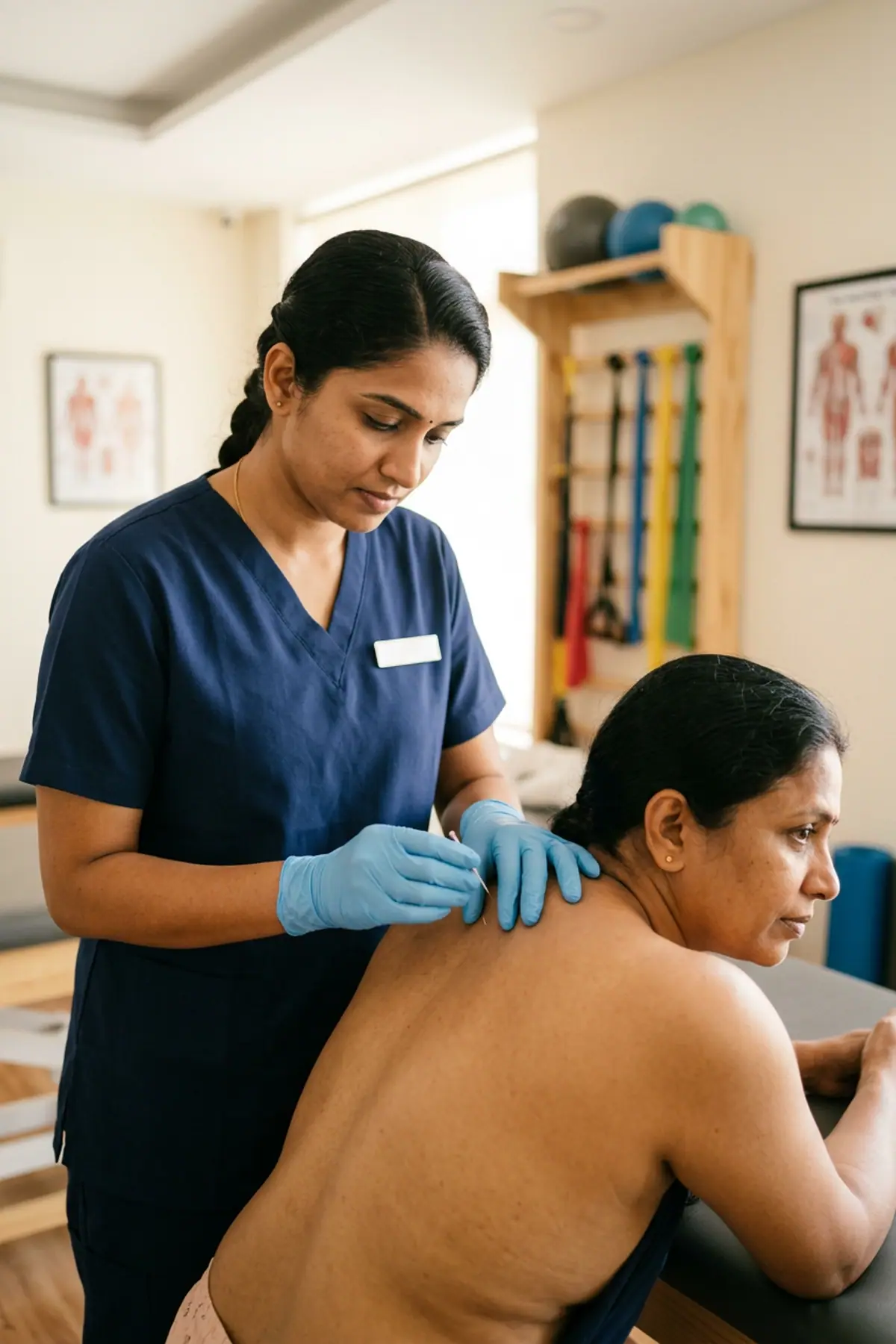
Dry needling uses fine, sterile needles inserted into muscle trigger points, the tight, tender knots that can develop within a muscle and refer pain elsewhere. It is called dry needling because nothing is injected: the needle itself is the treatment. Though it uses similar needles to acupuncture, it is based on modern anatomy and pain science rather than traditional meridian theory. You can read more about how we deliver it on our dry needling service page.
What the Research Shows
Here is the honest picture. Systematic reviews show that dry needling can give short-term reductions in pain, particularly for myofascial trigger points in the neck and shoulder region. That is a genuinely useful finding, and it matches what we often see in clinic: people frequently feel looser and more comfortable soon after treatment.
The caveats matter just as much. The evidence is of low to moderate quality, effect sizes are often small, treatment protocols vary widely between studies, and the benefits are mostly short-term. In plain terms, dry needling looks promising for short-term pain relief, but the evidence for longer-term outcomes is weaker.
Why We Use It Alongside Other Treatment
Because the strongest evidence is for short-term relief, dry needling is most valuable as a way to open a window. When a painful, guarded muscle relaxes and pain eases, it becomes far easier to move, stretch and, crucially, to strengthen. That is where the lasting change comes from.
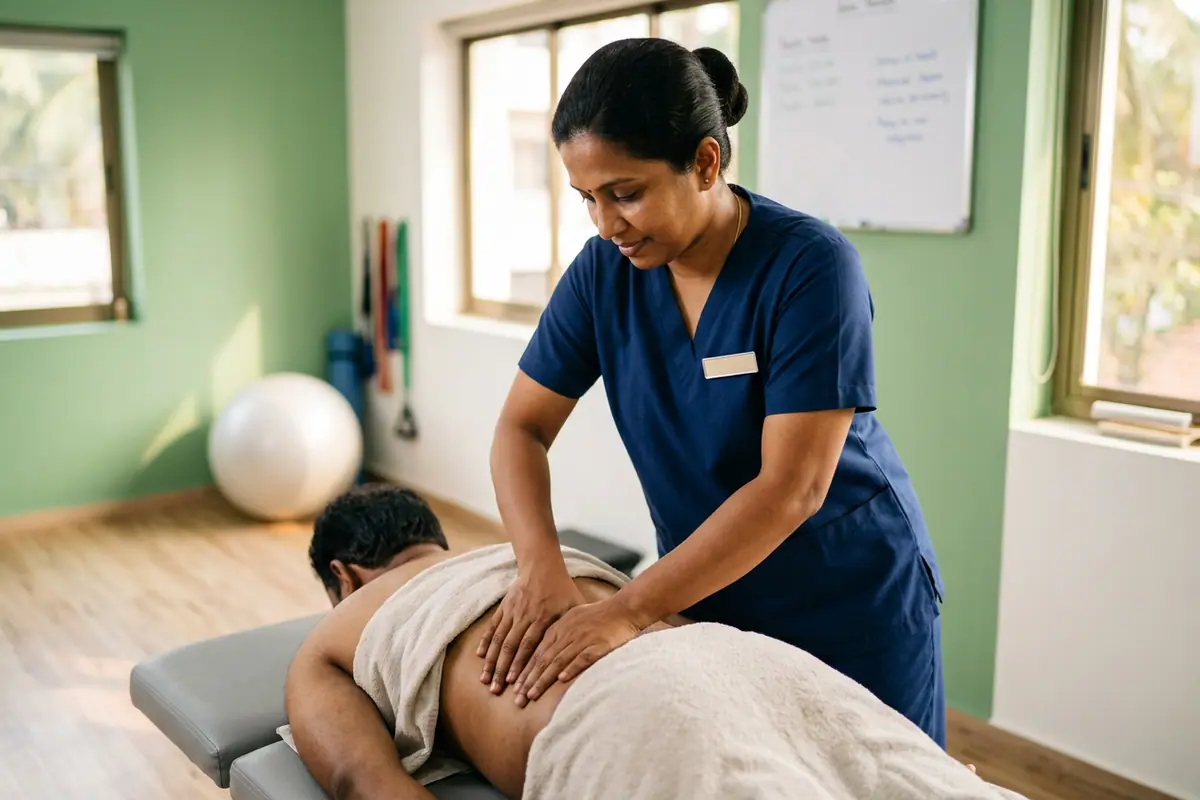
This is why we never use needling in isolation. We pair it with hands-on techniques such as myofascial release, with movement, and above all with a personalised exercise programme that addresses why the trigger points developed in the first place. The needle can calm the symptom; the exercise helps prevent it returning.
Dry needling can quiet a stubborn muscle, but it is the exercise that follows which keeps the pain from coming back.
Is Dry Needling Right for You?
| Often suitable for | Approach with more caution |
|---|---|
| Myofascial trigger point pain in the neck and shoulders | A strong needle phobia or fainting tendency |
| Tight, tender muscle knots limiting movement | Certain bleeding disorders or blood-thinning medication |
| People happy to combine it with active rehab | Local skin infection or open wounds in the area |
| Adults seeking short-term relief to enable exercise | Anyone expecting it to work as a one-off cure |
A qualified physiotherapist will assess your history and screen for these factors before recommending needling, so it is always used safely and appropriately.
Safety and Who Should Perform It
When performed by a trained physiotherapist using sterile, single-use needles, dry needling is generally safe. Mild, short-lived soreness or slight bruising can occur. The most important safeguard is expertise: needling should only be carried out by a suitably trained clinician who understands the underlying anatomy and knows when it is, and is not, the right choice.
Frequently Asked Questions
Does dry needling really work?
The evidence suggests it can provide short-term pain relief, especially for myofascial trigger points in the neck and shoulders. However, the research is of low to moderate quality and the benefits are mostly short-term. It works best as part of a wider plan that includes exercise, not on its own.
Is dry needling the same as acupuncture?
They use similar fine needles but come from different traditions. Dry needling is based on modern anatomy and pain science and targets muscle trigger points, whereas acupuncture is rooted in traditional Chinese medicine. At our clinic, needling is delivered as part of physiotherapy treatment.
Does it hurt, and is it safe?
Most people feel a brief cramp or twitch as the needle reaches a trigger point, which is usually well tolerated. When performed by a trained physiotherapist with sterile, single-use needles, it is generally safe, with only mild, short-lived soreness or slight bruising as common effects.
How many sessions will I need?
Because the relief is often short-term, needling is typically used over a few sessions to support your rehabilitation rather than indefinitely. After assessing you we will recommend a sensible plan. Call +91 80894 14419 to book your session.
Considering Dry Needling? Get an Honest Assessment First
Book an assessment with Dr. Noora at Proud Physio & Wellness, Kakkanad, and we will advise whether needling is right for you. Open every day.
Call +91 80894 14419 Book Online