


Some pain does not come from a dramatic injury. It builds slowly, from hours at a desk, repetitive movements, old strains that never quite healed, or muscles that have simply been held tight for too long. You feel it as a deep ache, a nagging knot between the shoulder blades, a band of tightness down the thigh, or a stiffness that stretching never seems to shift. Often the culprit is not the muscle alone but the fascia, the thin, tough web of connective tissue that wraps around every muscle in your body.
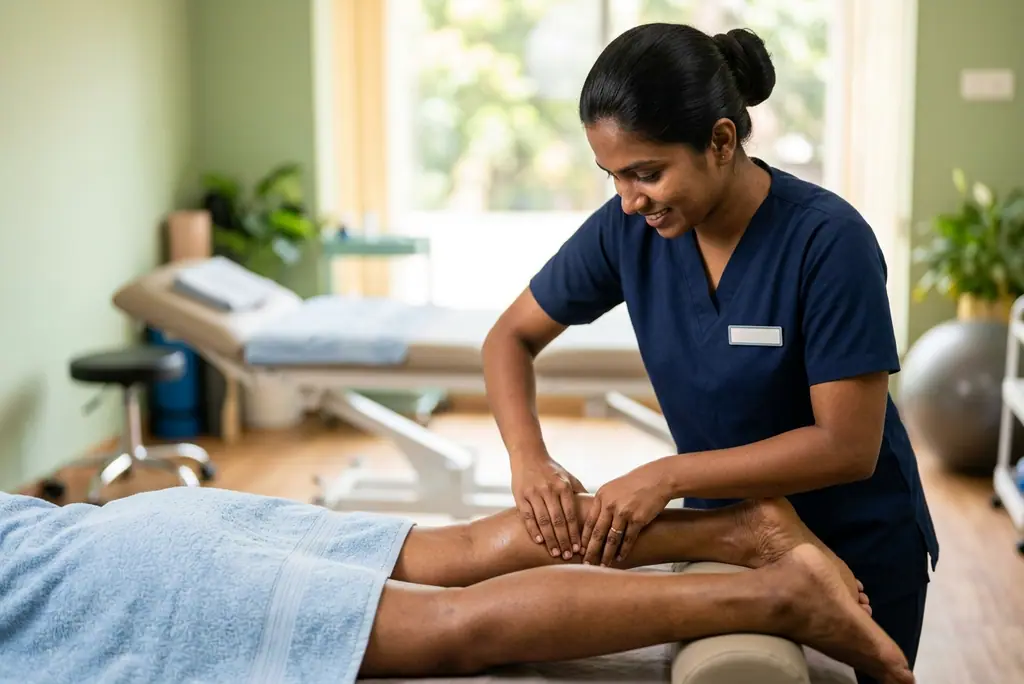
Myofascial release therapy and Active Release Therapy (ART) at Proud Physio & Wellness are hands-on techniques designed to work directly on this soft tissue. Led personally by Dr. Noora Ameen TA (PT), these treatments apply sustained, skilled pressure to tight fascia and trigger points, gently coaxing the tissue to lengthen, soften and glide freely again. The result is less pain, greater range of movement, and a body that finally feels able to relax.
Conditions We Treat
Myofascial and Active Release techniques are remarkably versatile. Because tight fascia and trigger points feed into so many everyday complaints, these treatments help with a wide range of problems, including:
Many patients come to us after months of stretching, painkillers or generic massage that eased things briefly but never lasted. The difference with skilled myofascial work is precision. We find the exact tissue that is restricted and treat it directly, rather than working over the whole area and hoping something loosens.
What Fascia Is and Why It Matters
Think of fascia as a continuous, body-wide sheet of connective tissue, a bit like the fine skin you see when preparing meat. When you are healthy, it is supple and slides smoothly, allowing muscles to move independently and freely. But injury, poor posture, overuse and even stress can make fascia thicken, dry out and stick to the tissues around it. These sticky spots, called adhesions, restrict movement and press on nerves and blood vessels, which is exactly how a tight patch of tissue in your back can send pain into your neck or arm.
Fascia is one continuous web. A restriction in one place can pull on another, which is why the source of your pain is often not where you feel it.
How Myofascial Release and ART Work
Although the two techniques share a goal, they go about it slightly differently, and we often blend them within a single session.
Careful assessment
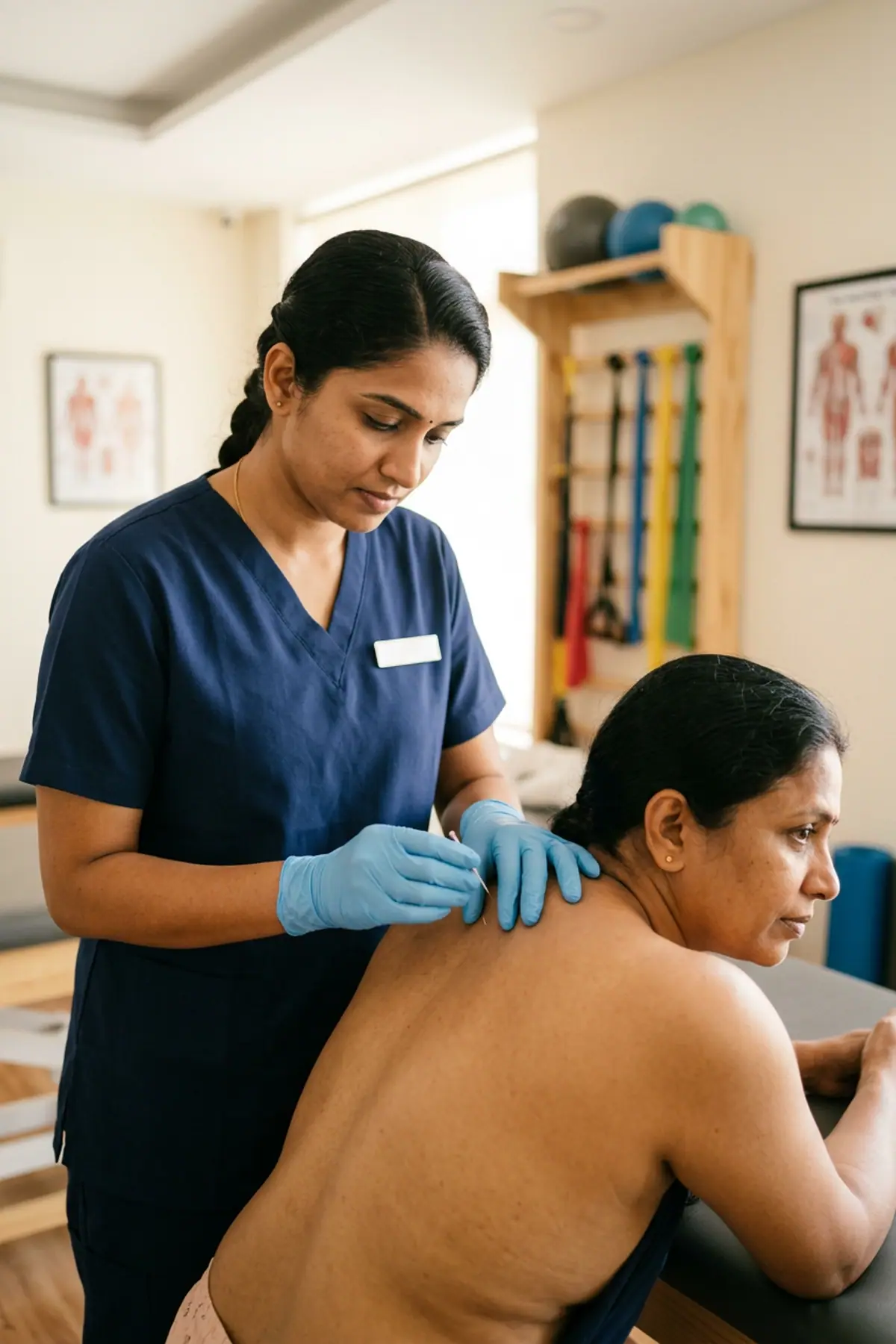
We examine how you move, feel for tight bands and trigger points, and trace your pain back to the tissue that is actually restricted, which is frequently not where the symptom appears.
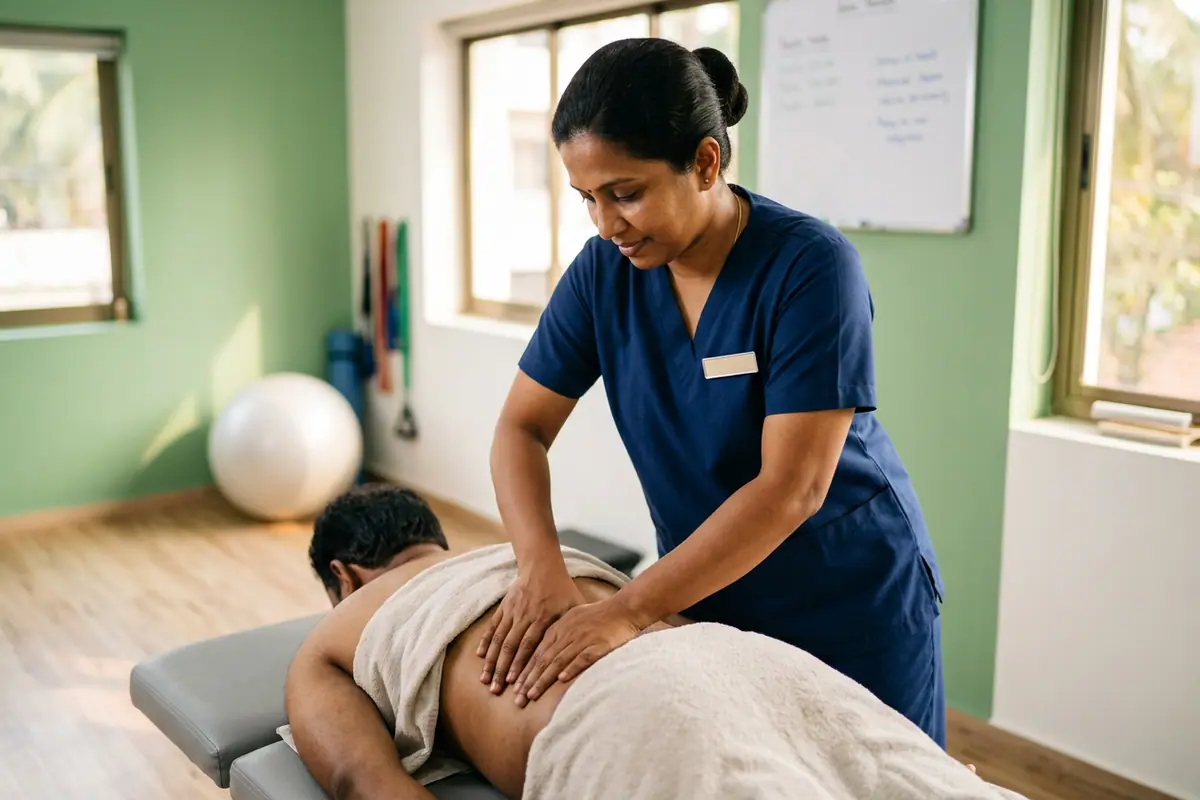
Myofascial release
Using slow, sustained pressure and stretch, we ease the fascia until it softens and lengthens. It is a patient, unhurried technique, worlds apart from brisk conventional massage.
Active Release Therapy
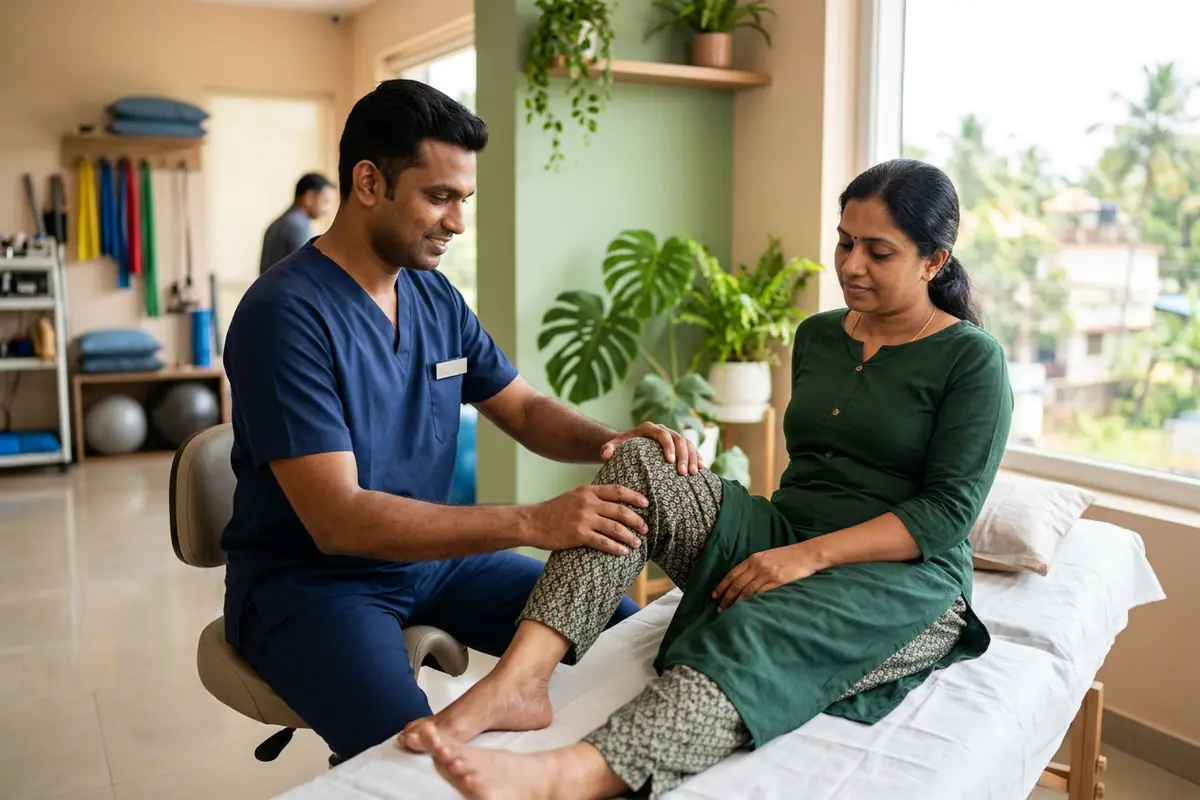
Here we apply precise pressure to a tight muscle while you move the limb through a specific range. This combination of tension and motion breaks down adhesions and restores smooth glide within the tissue.
Movement and reinforcement
We finish with targeted stretches and strengthening so the freed-up tissue stays that way, turning short-term relief into a genuine, lasting change.
Why Hands-On Work Alone Is Not Enough
Releasing tight tissue gives fast, satisfying relief, but on its own it rarely lasts, because the habits and weaknesses that created the tightness are still there. That is why we never treat myofascial release as a stand-alone fix. We pair it with corrective exercise, posture work and, where relevant, our ergonomic and lifestyle guidance, so the tissue is not simply dragged back into the same tight pattern within a week. The hands-on work opens the window, and the exercise keeps it open.
A Typical Treatment Course
| Stage | Focus | What to expect |
|---|---|---|
| Session 1 | Assessment & release | Detailed evaluation, first hands-on treatment, initial relief |
| Sessions 2-4 | Deeper release | Targeted work on stubborn adhesions, added corrective exercises |
| Sessions 5-6 | Reinforcement | Strengthening and mobility to lock in the gains |
| Ongoing | Maintenance | Home routine and occasional reviews to prevent recurrence |
Many patients feel a meaningful difference after the very first session, though chronic, long-standing tightness usually needs a short course to resolve fully and, more importantly, to stay resolved.
Why Patients in Kochi Choose Proud Physio
- Led personally by Dr. Noora: skilled, hands-on treatment from an experienced, certified physiotherapist, not a generic rub-down.
- Precise, targeted work: we find and treat the exact restricted tissue rather than working broadly and hoping.
- Root-cause approach: release is combined with corrective exercise so results actually last.
- Comfort-led: pressure is always matched to what you can tolerate, with everything explained as we go.
- Flexible timing: open every day from 8:00 AM to 10:00 PM, with no referral needed to begin.
Frequently Asked Questions
Is myofascial release the same as a normal massage?
No. A relaxing massage works broadly over the muscles for general comfort. Myofascial release is a targeted clinical technique that uses sustained pressure and stretch on specific restricted tissue to create lasting change in movement and pain, guided by a physiotherapist's assessment.
Does the treatment hurt?
You may feel a firm, intense sensation at a tight trigger point, often described as a "good pain" that eases as the tissue releases. It should never be unbearable. We work within your comfort and adjust the pressure to suit you throughout.
How many sessions will I need?
Many people feel a clear difference after the first session. Chronic or long-standing tightness usually needs a short course, often four to six sessions, combined with exercises so the relief holds rather than fading.
Can it help with my tension headaches?
Often, yes. Many tension headaches are driven by tight trigger points in the neck, shoulders and upper back. Releasing these, alongside posture correction, frequently reduces both the frequency and intensity of headaches.
Do I need a doctor's referral for soft-tissue therapy?
No referral is required. You can book directly with us. During your first visit Dr. Noora will assess you and confirm whether myofascial release, Active Release Therapy or a combined plan is right for your problem.
Release the Tension and Move Freely Again
Book a myofascial release or Active Release Therapy session with Dr. Noora at our clinic and feel the difference skilled hands-on care makes.
Call +91 80894 14419 Visit the Clinic