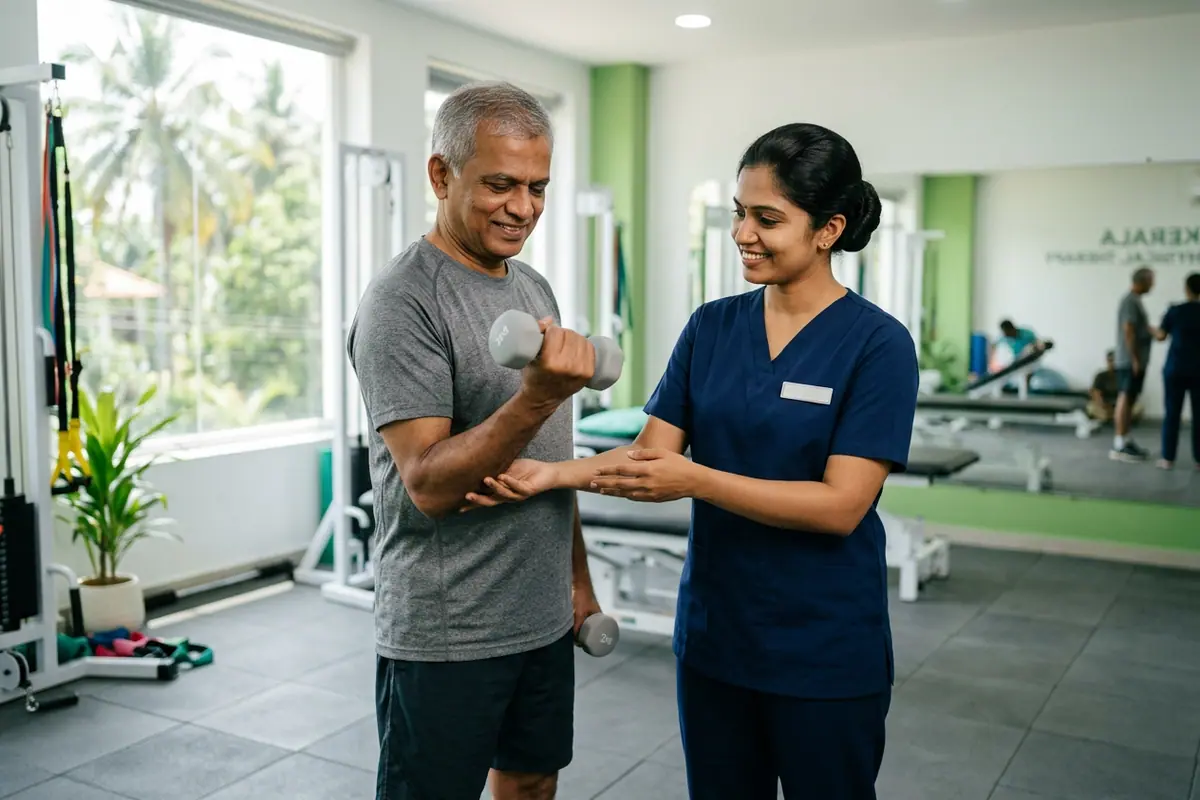
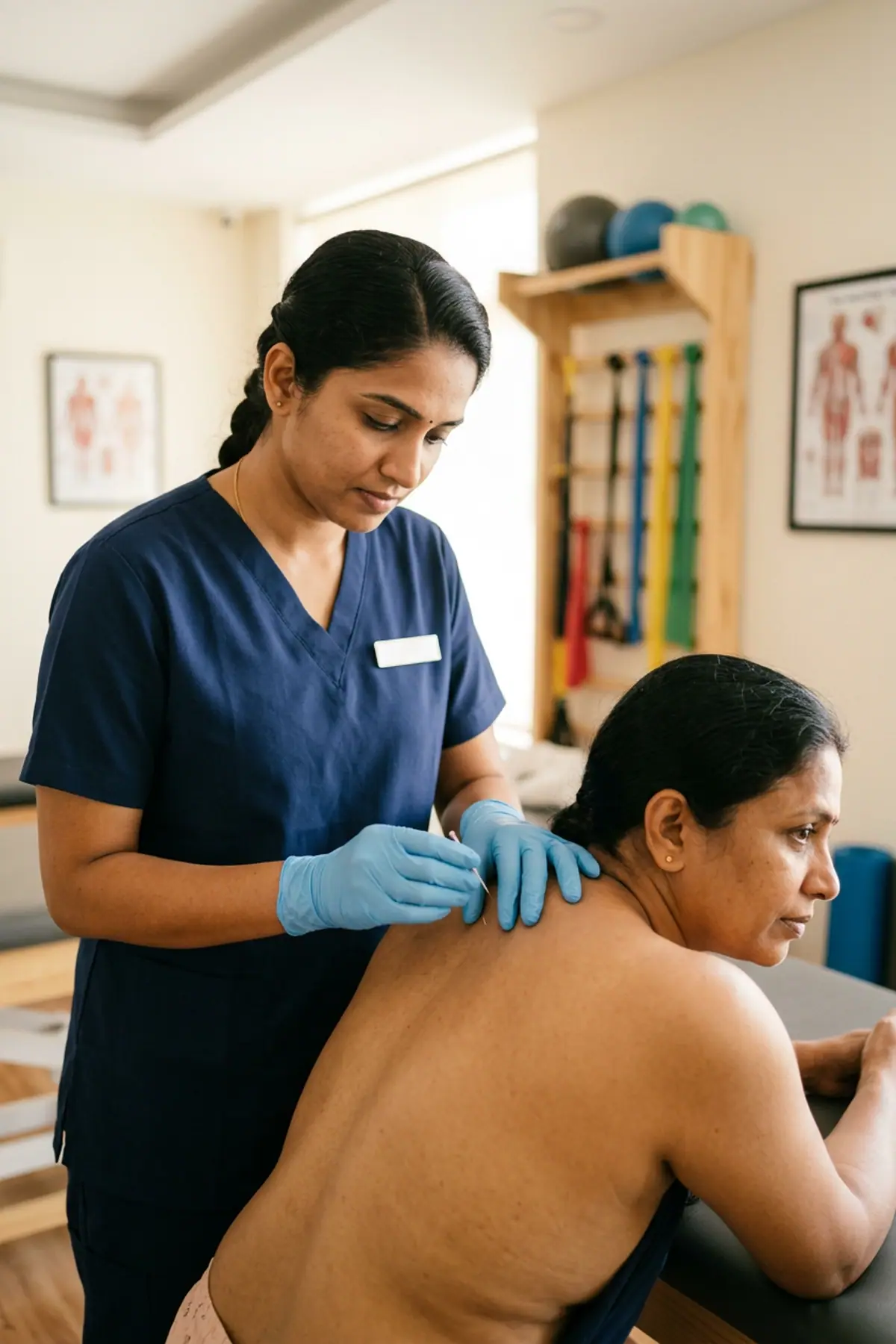
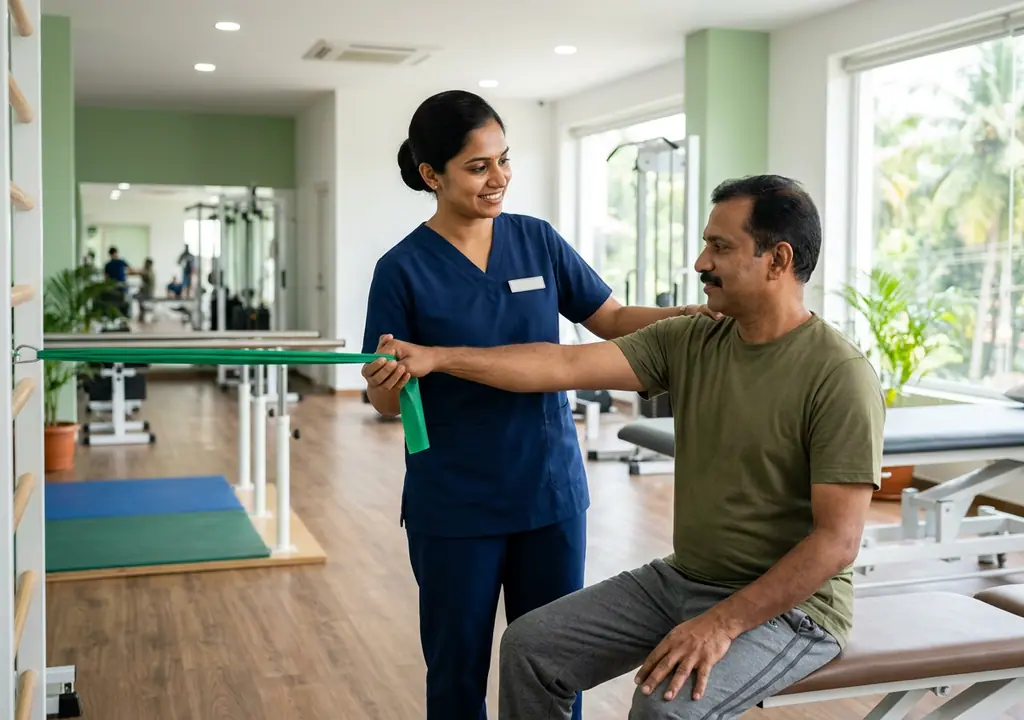
Tennis elbow is one of those conditions with a misleading name. Most of the people we treat for it in Kakkanad and Kochi have never picked up a racket. They are IT professionals whose forearms ache after long days at the keyboard and mouse, home cooks who chop and stir for hours, carpenters and mechanics who grip tools all day, and parents lifting young children. What they share is not tennis, but a tendon on the outer elbow that has been overloaded and has started to complain.
At Proud Physio & Wellness, led by Dr. Noora Ameen TA (PT), we treat tennis elbow the way current evidence says it should be treated, not with rest and hope, but with a structured, progressive programme that rebuilds the tendon and restores a strong, comfortable grip.
What Is Tennis Elbow?
Tennis elbow, known medically as lateral epicondylitis, is an overload injury of the tendons that attach the forearm muscles to the outer point of the elbow. These are the muscles that straighten the wrist and fingers and control your grip. When they are used repeatedly, especially with gripping, twisting or lifting, the tendon at their attachment becomes irritated and weakened. Despite the old name ending in "itis", it is now understood to be less about simple inflammation and more about the tendon failing to keep up with the load placed on it.
Symptoms and How It Affects You
Tennis elbow tends to build up gradually rather than appear suddenly. Common signs include:
Everyday tasks quickly become frustrating. Lifting a kettle, opening a jar, carrying shopping or working at a keyboard can all provoke the pain, which is why tennis elbow has such an impact on daily life and work.
Why Rest Alone Fails and Loading Works
The instinct with a sore elbow is to rest it completely, and while easing off aggravating activity helps in the very early days, prolonged rest is one of the main reasons tennis elbow drags on for months. A tendon that is not loaded becomes weaker, so the moment you return to normal use the pain comes straight back. The tendon needs the right kind of load to rebuild its capacity and heal.
A tendon does not heal by being avoided, it heals by being loaded correctly. The skill is in matching the load to what the tendon can handle right now.
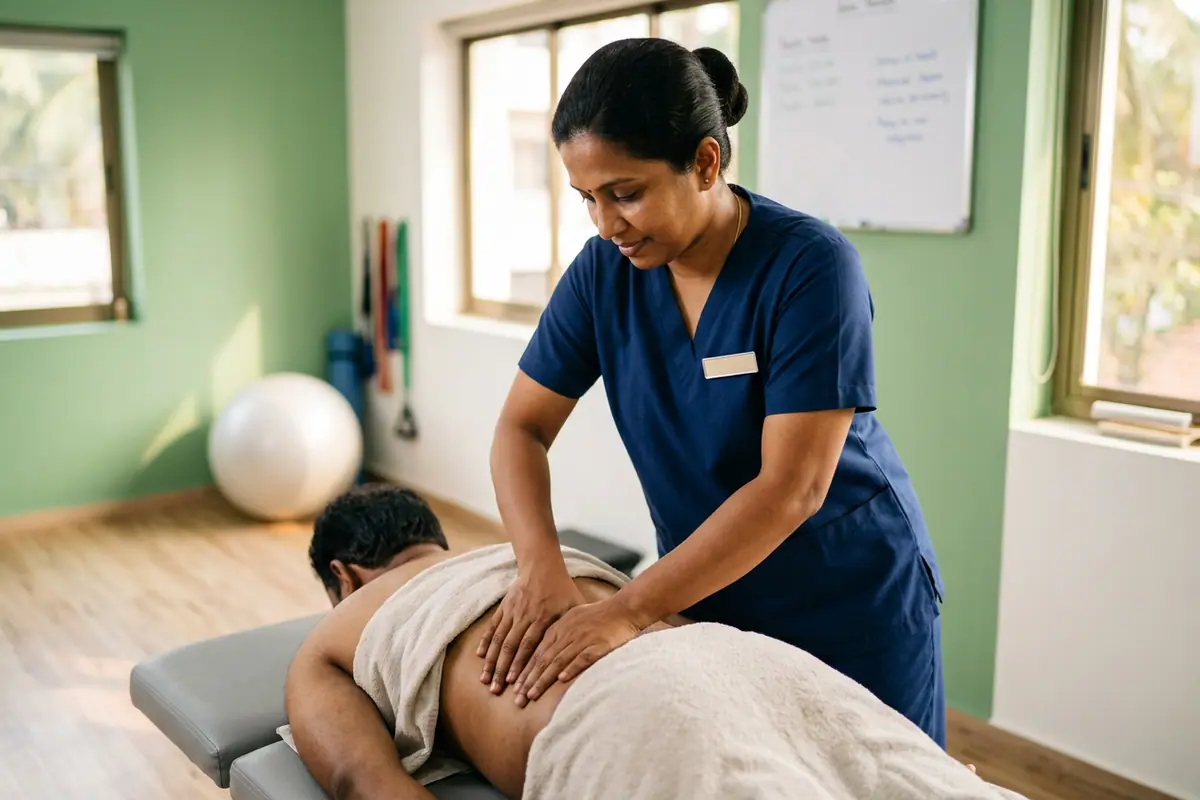
This is the heart of modern tennis elbow treatment and the core of our approach. Through our musculoskeletal and sports physiotherapy we guide the tendon through carefully graded strengthening, and where tight, overworked forearm muscles are adding to the problem, our myofascial release therapy helps release that tension so loading becomes more comfortable and effective.
Our Approach at Proud Physio
Assessment & cause
We confirm the diagnosis, test your grip and movement, and look at the work, sport or daily habits that overloaded the tendon in the first place.
Settle the pain
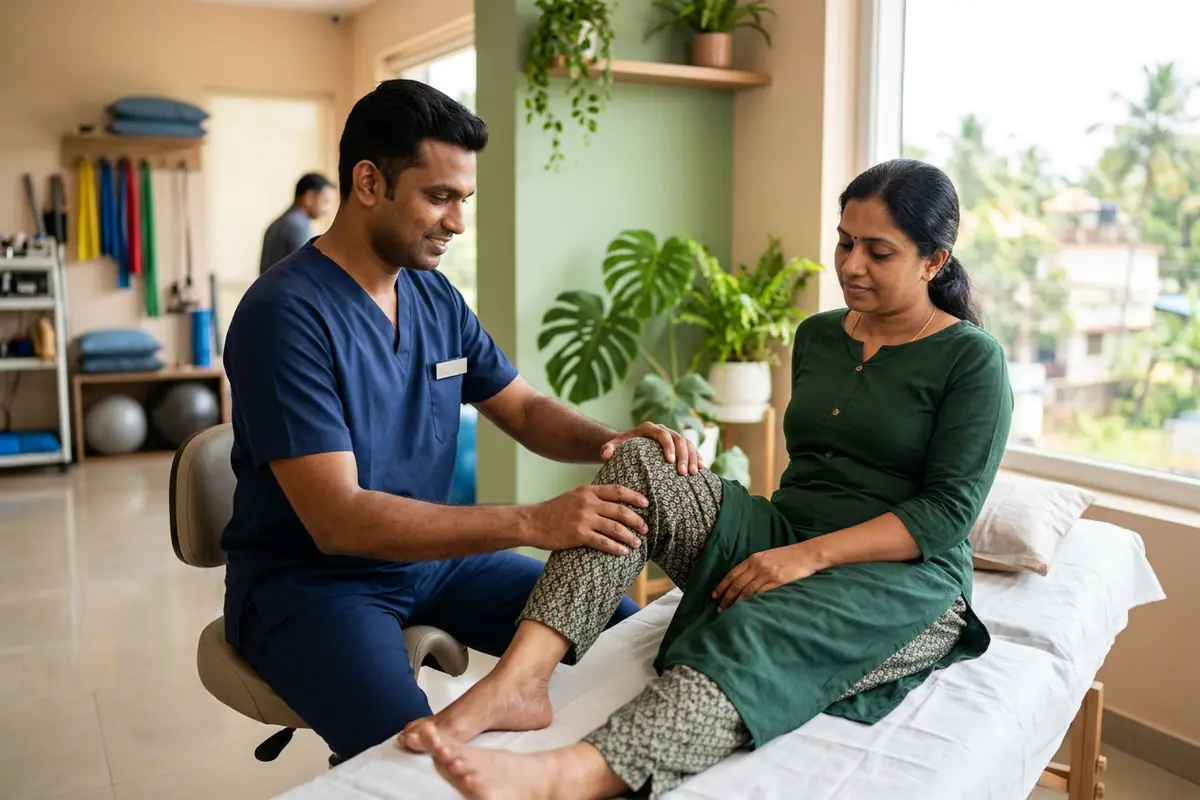
We ease the most reactive pain with hands-on techniques, activity guidance and, where helpful, taping, so we can begin loading without flaring the elbow.
Progressive loading
We build the tendon back up with a carefully staged strengthening programme, increasing the load only as fast as your elbow can comfortably handle.
Return to full use & prevention
We restore full grip and function and adjust your workstation, technique or habits so the tendon is not overloaded again.
A Typical Rehabilitation Pathway
| Phase | Focus | Typical goals |
|---|---|---|
| Settle | Calm the tendon | Reduce reactive pain, modify aggravating tasks |
| Build | Progressive loading | Rebuild tendon strength and grip capacity |
| Strengthen | Forearm & grip | Restore full, pain-free grip and lifting |
| Sustain | Function & prevention | Return to work and sport, ergonomic changes, home routine |
Frequently Asked Questions
Can I have tennis elbow if I do not play tennis?
Absolutely. Most people we treat have never played tennis. Tennis elbow is an overload injury of the elbow tendon, commonly caused by keyboard and mouse work, cooking, lifting, using tools or any repeated gripping. The name refers to the injury, not the cause.
Why has resting my elbow not helped?
Rest often eases the pain briefly but leaves the tendon weak, so the pain returns as soon as you use the arm normally. The tendon needs the right, gradually increasing load to rebuild its strength. That is why progressive loading physiotherapy works where prolonged rest does not.
How long does tennis elbow take to recover?
With a structured loading programme many people notice meaningful improvement within a few weeks, though full recovery of a stubborn tendon can take a few months. After assessing your elbow we give you a realistic timeline and clear stages to work through.
Will I need an injection or surgery?
Most cases of tennis elbow respond well to physiotherapy without injections or surgery. These are usually only considered for stubborn cases that have not improved with proper loading. We focus first on the approach with the best long-term results.
Can I keep working while I recover?
In most cases yes. We help you adjust how you work, set up your workstation better and modify aggravating tasks so you can keep going while the tendon recovers. Completely stopping is rarely necessary and often unhelpful.
Rebuild a Strong, Pain-Free Grip
Book a tennis elbow assessment with Dr. Noora at our clinic, or arrange a home visit at your convenience.
Call +91 80894 14419 Visit the Clinic